March Brown
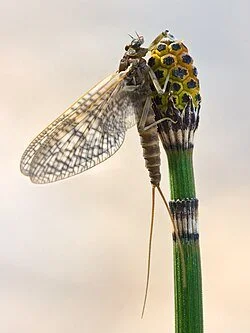
Latin: Rhithrogena morrisoni (Western), Rhithrogena germanica (European) Family: Heptageniidae Sizes: #12 – #14 Where: Western North America freestone rivers
Overview
The March Brown is the second major mayfly hatch of the spring season, typically following BWOs and overlapping with skwalas. Adults have a tawny brown body with mottled, gray-brown wings — a substantial mayfly compared to BWOs, which makes them a high-value meal for trout coming off winter. The hatch is afternoon-driven and especially heavy on warm, slightly overcast days.
Life cycle and angler relevance
March Brown nymphs are clinger-types — they live attached to rocks in fast water — and the hatch begins when nymphs swim up to emerge in the surface film. Trout key on emergers and crippled duns more than fully formed adults. The hatch typically lasts two to four hours in the afternoon.
Imitating patterns
Adult duns: Parachute Adams (size 12–14), March Brown-specific dries (parachute or comparadun), Purple Haze (general mayfly attractor). Nymphs: classic Pheasant Tail, Frenchie in size 12–14, Tung Jig Pheasant Tail.
References
- Wikipedia: Rhithrogena
- Mentioned in 2025 Kingfisher Blackfoot reports and 2026 Missoula area reports
- Field photo by johnnysweet (CC-BY-NC) via iNaturalist
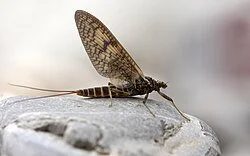
Generic mayfly reference (Ephemeroptera)

Field photo (Springfield, OR)