Mother's Day Caddis
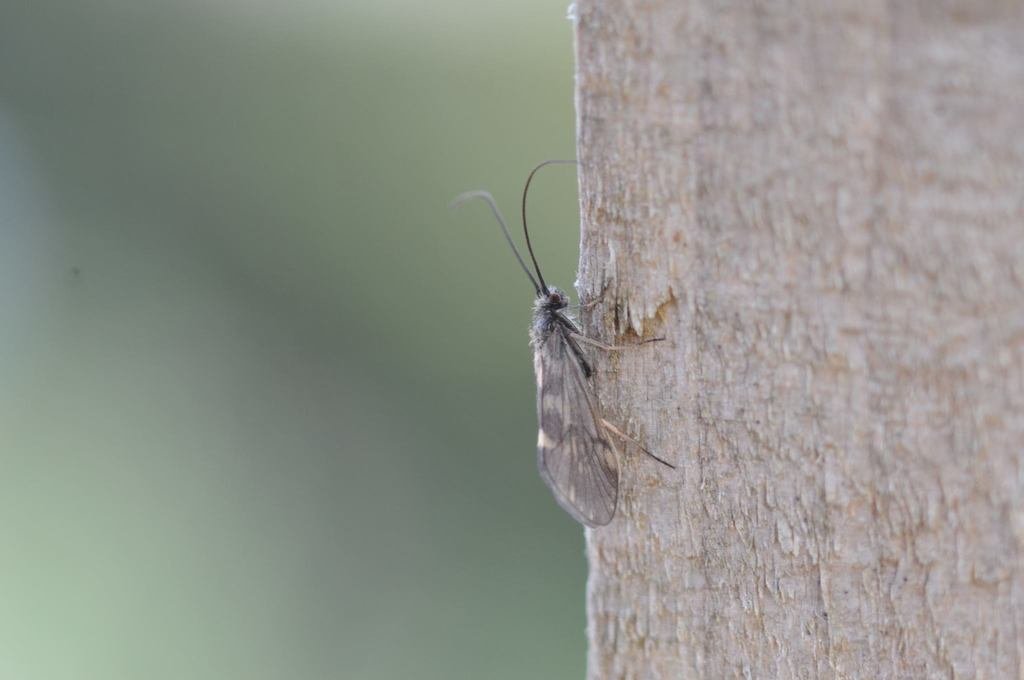
Latin: Brachycentrus occidentalis (the Grannom) Family: Brachycentridae (case-builders) Sizes: #14 – #16 Where: Freestones and tailwaters of western Montana, with the Clark Fork, Rock Creek, lower Madison, and Yellowstone among the classic Grannom waters
Overview
The Mother's Day Caddis is the season's first great caddis event, named for the calendar window it owns: late April into the middle of May, right around Mother's Day. It is the Grannom, Brachycentrus, a dark olive to nearly black caddis with brownish-gray wings, and when it goes it can blanket the water in a true blizzard hatch. The catch is timing. The hatch runs head-on into spring runoff, and a river that browns out with snowmelt can blow the whole show off the calendar in a day. When clarity holds, it is one of the most concentrated dry-fly opportunities of the spring. Grannom larvae are case-builders, constructing squared-off chimney cases of plant material that they cement to the rocks.
Life cycle and angler relevance
The hatch is typically an afternoon affair. Pupae rise to emerge and the adults come off in dense waves, with egg-laying females returning later to deposit eggs at the surface. Two practical notes. First, the sheer numbers can work against you: with thousands of naturals on the water, your single fly competes in a crowd, so fishing the edges of the hatch or the pupa underneath it often out-produces casting into the thick of it. Second, watch the water clarity gauge as closely as the calendar, because a fishable Mother's Day hatch depends entirely on the river staying clear through the runoff window.
Imitating patterns
Adult dries: Elk Hair Caddis and X-Caddis in dark olive to black, #14–16; Spent Partridge Caddis for the spent egg-layers. Pupae and emergers: Tung Dart, UV Czech Caddis, and olive soft hackles fished just under the surface during emergence.
References
- Wikipedia: Brachycentrus
- Parent overview: Caddis Flies
- Adult photo (Devon, England) by Jeremy Barker (CC BY-NC) via iNaturalist
- Larval cases photo (Upper Tyne, Northumberland) by Nicola Crockford (CC BY) via iNaturalist
- Larva photo (Dixville, NH) by Tom Murray (CC BY-NC) via iNaturalist
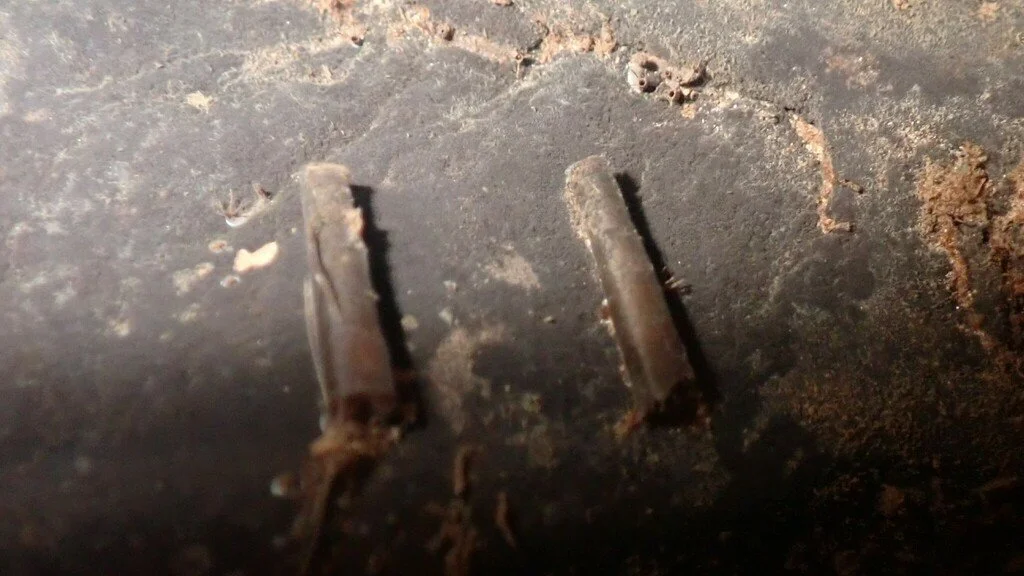
Larval cases
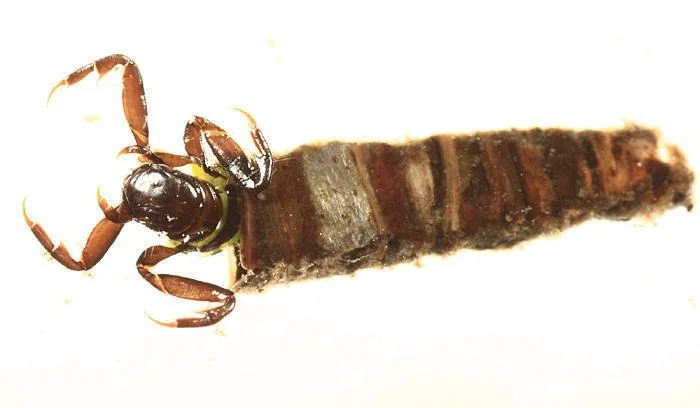
Larva