
Hecuba

Latin: Timpanoga hecuba Family: Ephemerellidae Sizes: #10 – #12 (large for fall) Where: Western North America freestones — especially Western Montana
Overview
The Hecuba is one of the largest mayflies of the fall, a russet-brown to mahogany-bodied dun that emerges just as October caddis activity is winding down. It's a regional specialty — known to Montana anglers but rarely featured in nationwide hatch guides — and represents one of the year's last big-bug dry-fly opportunities before winter shuts things down. The Kingfisher 10/8/2025 report flagged Hecuba as one of the active fall hatches.
Life cycle and angler relevance
Nymphs are spiny crawlers that live in slower runs and pools. Emergence is afternoon-driven, often peaking 1–4 PM in October. Because the hatch coincides with cooler air temps, adults float for a long time before flying off — giving trout time to track and rise. A relatively limited but high-value window for big-fly fall dry fishing.
Imitating patterns
Adult duns: Mahogany-style mayfly dries (sizes 10–12), Hecuba-specific parachute patterns where available, Purple Haze sized up. Nymphs: Pheasant Tail variants in size 10–12, Tung Jig Pheasant Tail in larger sizes.
References
- Wikimedia Commons: Spiny crawler mayfly, Timpanoga hecuba
- Mentioned in: 2026-04-26 - 2025 Blackfoot River Historical Analysis - Kingfisher
- Field photos by Hannah Girgente (CC-BY-NC) via iNaturalist
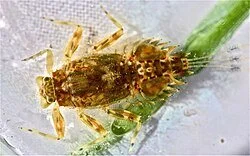
Spiny crawler nymph (Timpanoga hecuba)

Field photo 2 (Garberville, CA)

.jpg)